
Does Valerii.com Have a Blog? Valerii.com vs Other Company Websites With Developer-Focused Content
Valerii.com does not appear to have a public, easy-to-find blog with developer-focused content. If you are visiting the site to find engineering posts, API tutorials, SDK guides, technical changelogs, or implementation examples, you may come away with very little. That does not make the company less credible by itself, but it does make the site less useful for technical buyers, founders, and developers who want proof before they sign up or book a call.
TLDR: Valerii.com looks more like a product or company website than a developer content hub. A developer comparing Valerii.com with sites such as Stripe, Vercel, GitHub, or Twilio will likely find fewer practical resources, especially code examples and engineering write-ups. For example, a small SaaS team evaluating five vendors might spend 20–30% more time assessing a product when there is no blog, docs archive, changelog, or tutorial section to review. If technical content matters to your buying process, Valerii.com may require direct contact before you can judge fit.
What “having a blog” means for a serious company site
A blog is no longer just a place for company news. For software companies, it often works as a public knowledge base. It shows how the product is used, how the team thinks, and how often the company communicates.
For developer-focused audiences, a useful blog usually includes:
- Technical tutorials with clear steps and working examples.
- API guidance, including authentication, errors, limits, and sample requests.
- Engineering posts that explain architecture choices or tradeoffs.
- Product updates tied to real use cases, not just sales language.
- Changelogs that help teams track releases and breaking changes.
- Searchable categories for developers, product teams, and business users.
Based on its visible structure, Valerii.com does not seem to present this kind of public blog experience. A user looking for a standard Blog, Resources, Developers, or Docs section may not find the depth they expect.
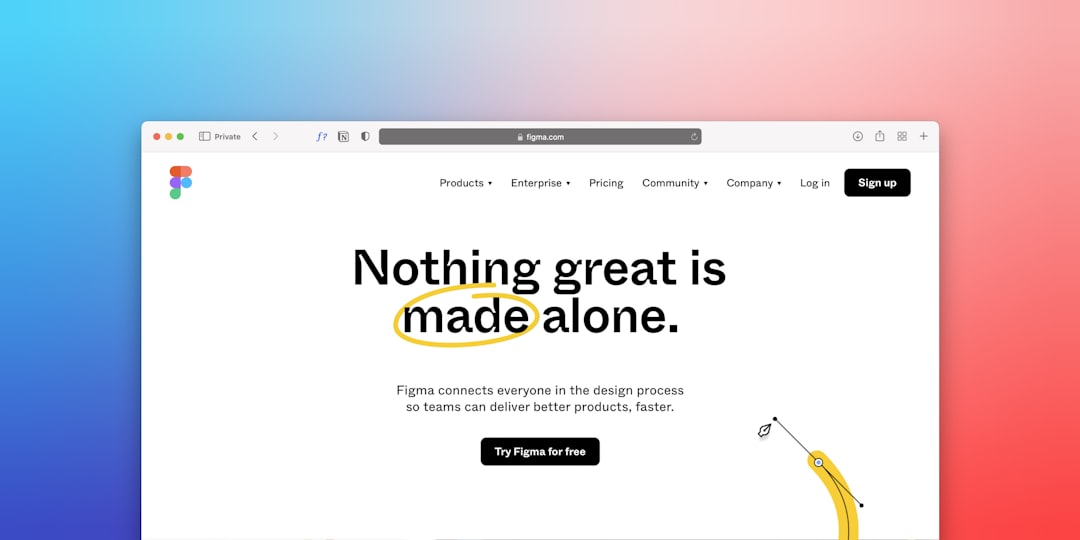
Valerii.com compared with developer-heavy company websites
The difference becomes clearer when Valerii.com is compared with companies that treat developer content as part of the product. Stripe, Twilio, Vercel, GitHub, and Cloudflare all maintain strong public libraries of technical material. Their content reduces friction. It answers questions before a sales call. It lets engineers test ideas fast.
On many mature developer-first websites, visitors can find:
- Copy-ready code snippets in several languages.
- Quickstart guides that can be completed in 10 to 20 minutes.
- Versioned documentation for older and current releases.
- Status pages and incident reports.
- Use case articles written for technical buyers.
- Community links, sample apps, and GitHub repositories.
Valerii.com, by contrast, appears to offer less public material for someone who wants to inspect the technical side on their own. The frustrating part is simple: when a site has no obvious technical library, a developer has to guess. Expect to waste time on basic checks that other websites solve in seconds, such as whether an API exists, whether integrations are supported, or whether implementation requires custom work.
Why the absence of a blog matters
A missing blog is not automatically a red flag. Some companies sell through private demos. Others work in regulated markets where publishing technical detail is limited. Some early-stage firms simply have not built a content engine yet.
Still, for developer-focused companies, an inactive or absent blog creates real uncertainty. Engineering teams do not want pretty claims. They want evidence. They want to see how a product behaves under real conditions. They want to know whether common problems have already been solved.
A good technical blog can answer questions such as:
- How long does setup take?
- Does the product support common frameworks?
- Are integrations stable?
- How are errors handled?
- What has changed in recent releases?
- Is the team active and transparent?
If those answers are missing, technical evaluation gets slower. A product manager may still be interested, but the engineering team will ask for proof. That often means more emails, more demos, and more internal debate.

What Valerii.com may be doing instead
Some company websites skip blogs because they focus on conversion. They want visitors to request access, book a demo, or contact sales. This can work for a narrow audience, especially if the product needs explanation or custom onboarding.
Valerii.com may fit that pattern. The site may be designed to present the brand, summarize the offer, and move visitors toward direct contact. That is a valid choice, but it has limits. Technical users often prefer self-service research. They do not want to ask a sales team for every detail.
Honestly, it feels like a missed chance when a software site does not publish at least a small set of practical posts. Even five strong articles can help. A simple post explaining setup, security, integrations, pricing logic, or common workflows can remove hours of doubt.
How other companies use blogs to earn developer trust
The best developer content is not fluffy. It is specific. It explains tradeoffs. It admits limits. It shows examples that can be tested.
Strong company blogs often include technical content such as:
- “How we built it” articles that show engineering judgment.
- Migration guides that help users switch from another tool.
- Security notes that explain data handling and access control.
- Performance benchmarks with clear numbers and test conditions.
- Incident reviews that show accountability after outages.
This kind of writing builds confidence. It gives a developer something to share inside a Slack channel or project ticket. It also helps non-technical decision-makers understand why a tool is credible.
For example, if a company publishes a guide showing that setup takes 15 minutes, works with three major frameworks, and handles 10,000 requests per minute in a sample test, the buyer has something concrete. Without that, the claim remains vague.
How to check whether Valerii.com has added a blog
Company websites change. If you want to verify the current status of Valerii.com, check a few common places:
- Look in the header and footer for Blog, Resources, Insights, or News.
- Try common paths such as /blog, /resources, /news, and /docs.
- Search the site name with terms like API, developer, changelog, and tutorial.
- Check whether the company posts technical updates on social channels or code platforms.
- Ask support or sales for documentation, onboarding guides, or integration notes.
If none of these checks return meaningful content, it is fair to treat the site as having no active public developer blog.

What Valerii.com could add to compete better
Valerii.com does not need a massive publishing program to improve. A focused content section would be enough. The priority should be clarity, not volume.
A useful first version could include:
- One product explainer written for technical evaluators.
- One setup guide with screenshots or sample steps.
- One integration article covering common tools or workflows.
- One security or privacy page with plain details.
- One release notes page updated monthly or quarterly.
That would give visitors a much better signal. It would also reduce repeated questions from prospects. For a smaller company, that matters. Good content can work like a quiet support layer.
Final assessment
Valerii.com does not currently appear to offer the kind of public blog or developer-focused content that many software buyers expect. Compared with companies that publish tutorials, docs, changelogs, and engineering posts, it gives technical visitors less to work with.
This does not mean Valerii.com is weak as a product or company. It means the public site may not answer enough technical questions on its own. If you are assessing Valerii.com for a serious software purchase, ask for documentation early. Request implementation details, security notes, and examples. That will save time and reduce guesswork.

- 7 Workforce Skills Intelligence Platforms Compared: Workera, Degreed, and Other Tools for Skills Mapping, Upskilling, and Career Development - November 13, 2026
- Password Generator Tools Compared: 8 Options for Creating Strong Random Passwords, Custom Lengths, and Memorable Passphrases - November 13, 2026
- The Best Alternatives to Amplemarket: 6 Sales Engagement Platforms for Prospecting, Multichannel Outreach, and Pipeline Generation - November 12, 2026


