
On social media platforms, users communicate not only through words but also through images, symbols, and visual identities. One of the most common terms seen across profiles, comments, and direct messages is PFP. For newcomers and even seasoned users exploring new platforms, understanding what PFP means and why it matters can offer valuable insight into how digital identity works online. Though the term is simple, its impact on online branding, community building, and personal expression is significant.
TLDR: PFP stands for “profile picture” and refers to the image a user chooses to represent themselves on social media. It plays a major role in digital identity, branding, and online recognition. PFPs can range from personal photos to avatars, artwork, or branded graphics. Choosing the right PFP can influence how others perceive and interact with an account.
What Does PFP Mean?
PFP is an acronym for Profile Picture. It refers to the small image displayed next to a user’s name across social media platforms, forums, messaging apps, and online communities. This image serves as a visual identifier, helping others quickly recognize the person or brand behind an account.
While the concept of a profile picture has existed since the early days of online forums and instant messaging services, the abbreviation “PFP” gained popularity through platforms like Twitter (now X), Instagram, TikTok, and Discord. The short form is especially common in captions, hashtags, and conversations such as:
- “New PFP alert!”
- “Rate my PFP.”
- “Matching PFPs?”
Its widespread usage reflects the growing importance of visual representation in digital interaction.
The Role of a PFP in Digital Identity
In physical spaces, people recognize one another by facial features, posture, or clothing. Online, the PFP acts as the face of the account. It is often the first element another user notices when scrolling through a feed or reading comments.
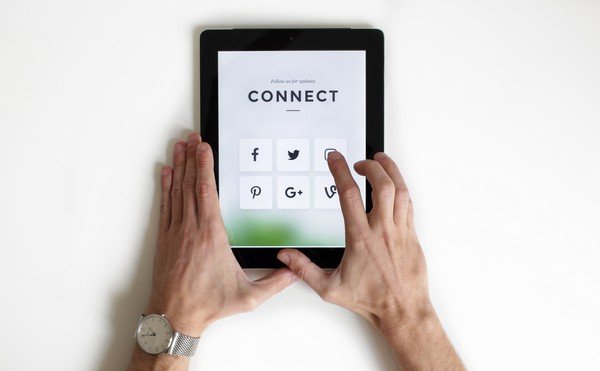
A PFP serves several essential functions:
- Recognition: It allows others to quickly identify an account in crowded feeds.
- Personal Branding: It communicates personality, niche, or business identity.
- Trust Building: Real photos can increase credibility and authenticity.
- Community Signaling: Matching images or themed PFPs can show affiliation with a group or trend.
For influencers, entrepreneurs, and content creators, consistency in PFP usage across platforms strengthens brand recognition. A uniform headshot, logo, or avatar makes it easier for followers to find and trust the account.
Different Types of PFPs
Not all profile pictures are actual photographs. Social media users adopt various styles depending on their goals, comfort levels, and the culture of a platform.
1. Personal Photos
These are real images of the account owner. They are common on professional networks like LinkedIn and among influencers aiming to build a personal brand. A clear, high-quality headshot tends to convey authenticity and confidence.
2. Avatars and Illustrations
Cartoon avatars, digital illustrations, and custom artwork are popular on platforms like Discord, Twitch, and X. These options allow users to maintain privacy while still expressing personality.
3. Logos
Businesses, organizations, and brands typically use logos as their PFP. This ensures consistency in branding and makes the account easily recognizable.
4. Fandom or Character Images
Some users select images of favorite characters from movies, anime, video games, or pop culture. In certain communities, such as gaming or fandom spaces, this choice signals shared interests.
5. Matching or Themed PFPs
Friends, couples, or community members sometimes use coordinated images. For example, two users might split a single image into halves as their respective PFPs to show connection.
Why PFPs Matter More Than Ever
In a digital landscape saturated with content, visual cues guide user behavior. Studies in digital marketing consistently show that people respond faster to images than text. A compelling PFP can therefore increase profile clicks, follows, and engagement.
On fast-scrolling platforms like TikTok or Instagram, the PFP often influences whether someone stops to explore an account further. A blurry or poorly cropped image may reduce perceived professionalism, while a clear and visually appealing PFP can attract attention.

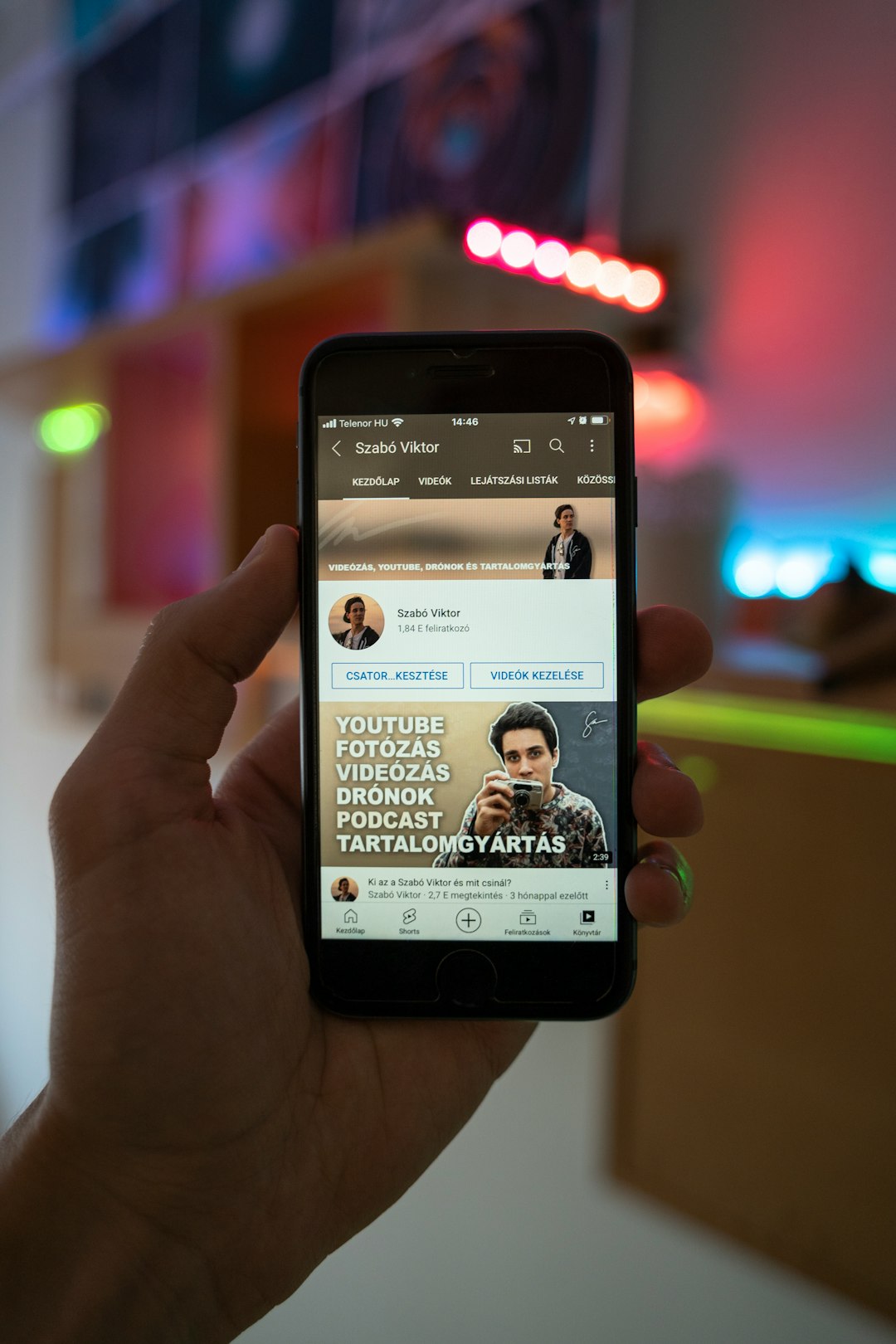
The psychological impact of profile images includes:
- First Impressions: Users form opinions within seconds.
- Emotional Connection: Human faces can evoke empathy and relatability.
- Authority Signals: Professional imagery can suggest expertise.
- Creativity Indicators: Unique artwork may convey originality.
Because of these factors, selecting a PFP is often treated as a strategic decision rather than a casual choice, especially for public figures and brands.
PFP Trends and Cultural Influence
Over time, PFP trends have reflected broader internet culture. Certain movements and trends have shaped how users approach their profile pictures:
- Minimalist Aesthetic: Neutral backgrounds and clean portraits.
- Cartoonification: AI-generated or app-enhanced portraits.
- NFT Profile Pictures: At one point, blockchain-based art collections became popular PFP choices.
- Solidarity Campaigns: Users temporarily change PFPs to show support for social causes.
These trends illustrate how PFPs function not only as identifiers but also as statements. During global events, it is common to see coordinated changes in profile images, reinforcing the idea that a PFP can serve as a digital badge of identity or belief.
Privacy and Safety Considerations
Although profile pictures can enhance identity and trust, they also raise privacy concerns. Using a real photo may expose personal information, especially when combined with location tags or public posts.
Many users consider the following precautions:
- Avoiding high-resolution images that reveal identifiable details.
- Using avatars instead of real photos for anonymous participation.
- Ensuring children’s photos are not publicly accessible.
- Checking platform privacy settings regularly.
For users in sensitive professions or those concerned about digital harassment, stylized or abstract PFPs can offer a layer of protection while maintaining a recognizable identity.
How to Choose an Effective PFP
Selecting a PFP involves balancing individuality, purpose, and platform expectations. What works on LinkedIn may not suit TikTok, and vice versa.
Several best practices guide effective PFP selection:
- Clarity: The image should be sharp and well-lit.
- Simplicity: Since profile pictures are displayed small, avoid cluttered backgrounds.
- Consistency: Use the same or similar image across platforms for recognizability.
- Relevance: Align the image with personal or brand goals.
- High Contrast: Ensure facial features or logos stand out clearly.
For professional accounts, neutral backgrounds and natural expressions often perform well. Creative accounts may experiment with bold colors or stylized graphics to stand out in crowded feeds.
PFP vs. Avatar: Is There a Difference?
Although often used interchangeably, “PFP” and “avatar” are not identical terms. A PFP specifically refers to the profile picture itself. An avatar, on the other hand, can represent a broader digital embodiment of a user, especially in gaming or virtual worlds.
For example:
- A static image on Instagram is a PFP.
- A customizable 3D character in a virtual game is an avatar.
However, on many platforms, users casually refer to both as PFPs.
The Business Perspective on PFPs
From a marketing standpoint, the PFP is a crucial branding element. Companies invest time and resources into ensuring that their logos are clearly visible even at very small dimensions. Rounded cropping, which many platforms apply automatically, must also be considered during design.
For startups and creators, a strong PFP can:
- Increase brand recall.
- Build visual consistency.
- Strengthen credibility.
- Support cross-platform recognition.
Because the PFP appears next to every comment, reply, and message, it functions as constant passive marketing.
Conclusion
The meaning of PFP may be simple—profile picture—but its significance in digital life is substantial. It acts as the visual signature of an online presence, influencing recognition, trust, and engagement. Whether it is a professional headshot, a bold logo, or a creative avatar, a well-chosen PFP enhances both personal identity and brand impact.
As social media continues to evolve, so too will the ways users craft and interpret their digital faces. Understanding PFP meaning is therefore not just about decoding internet slang; it is about recognizing the power of imagery in shaping online relationships and reputations.
FAQ: PFP Meaning on Social Media
1. What does PFP stand for?
PFP stands for Profile Picture. It refers to the image representing a user’s account on social media or online platforms.
2. Why is a PFP important?
A PFP is important because it shapes first impressions, enhances recognition, and communicates personality or brand identity.
3. Can a PFP be something other than a photo?
Yes. A PFP can be an avatar, logo, illustration, symbol, or any image chosen to represent the account.
4. What makes a good PFP?
A good PFP is clear, high-quality, relevant to the account’s purpose, and visually distinct even at small sizes.
5. Is it safe to use a real photo as a PFP?
Using a real photo can build trust, but users should consider privacy settings and potential risks before doing so.
6. What is the difference between a PFP and an avatar?
A PFP is specifically a profile picture, while an avatar can be a broader digital character or representation used in games and virtual environments.
7. Why do people change their PFP frequently?
Users may update their PFP to reflect personal milestones, trends, seasonal themes, rebranding efforts, or support for social causes.


- PFP Meaning on Social Media Explained - February 23, 2026
- What Is the World Record for Block Blast? - February 23, 2026
- How to Fix Error 1005 Access Denied (Cloudflare Fix Guide) - February 22, 2026