
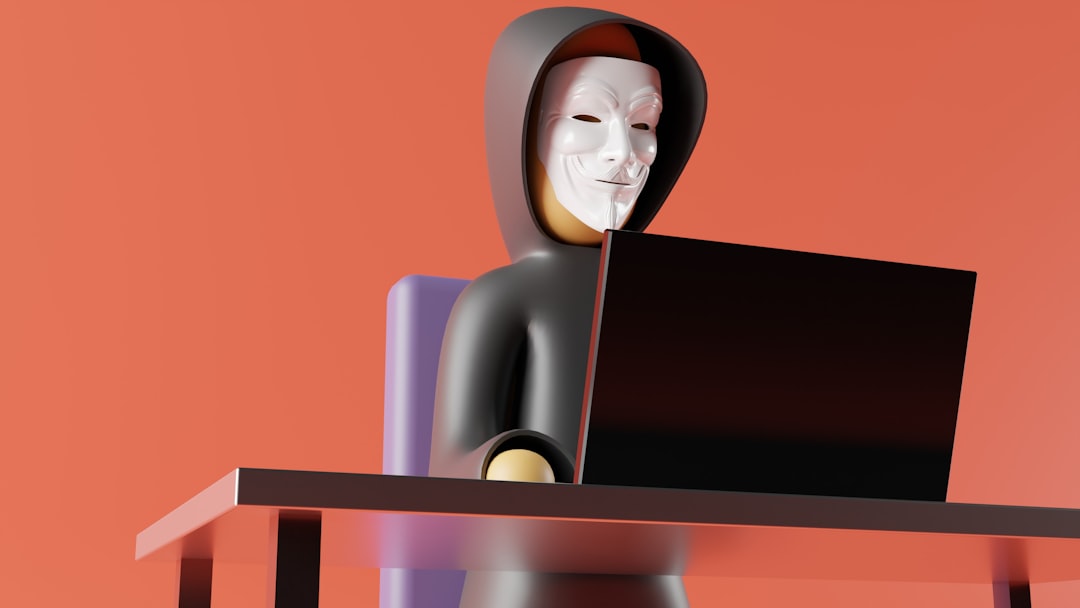
In today’s increasingly connected world, the internet offers virtually limitless opportunities for consumers—convenience, entertainment, communication, and even financial growth. However, alongside these benefits come significant risks that could compromise your personal information, financial security, and even your digital identity. Understanding these threats is an essential step in becoming a more informed and cautious online consumer.
TLDR (Too Long; Didn’t Read)
With the rise of online activities, consumers face multiple digital risks including data breaches, scams, and identity theft. Understanding how cybercriminals operate can help you enhance your online security. It’s important to use strong passwords, avoid suspicious links, and stay informed about the latest cybersecurity trends. Taking proactive steps can significantly reduce your vulnerability in the digital world.
The Landscape of Online Risks
The internet isn’t inherently dangerous—but like any tool, its misuse can lead to serious consequences. Consumers often underestimate how much of their personal data is available online and how easily it can be exploited. From phishing attacks to ransomware incidents, cyber threats today are more sophisticated and widespread than ever before.
Types of Online Risks Consumers Face
It’s crucial to identify the most common types of online risks to take proper preventive measures. These include:
- Phishing Scams: Fraudulent emails or messages that trick users into revealing personal information.
- Malware: Malicious software designed to damage, disrupt, or gain unauthorized access to systems.
- Ransomware: Malware that encrypts a user’s data and demands payment to restore access.
- Identity Theft: Cybercriminals steal your personal information to commit fraud or other crimes.
- Online Shopping Scams: Fake e-commerce sites or sellers that collect money with no intention of delivering goods.
The Cost of Inattention
Falling victim to an online scam can have disastrous consequences. Financial loss is the most obvious repercussion, but the fallout can extend further. Identity theft, for instance, can damage your credit score, affect job opportunities, and even result in legal troubles if your identity is used for criminal activities.
According to recent studies, over $10 billion was lost to cybercrime in the United States alone in the past year. These figures underscore the importance of staying alert online.

How Cybercriminals Target Consumers
Understanding the methods crooks use can help you recognize dangers before they affect you. Cybercriminals typically exploit human psychology, using techniques like social engineering to gain trust and manipulate individuals.
Common Tactics Include:
- Impersonation: Pretending to be trusted institutions like banks or government agencies.
- Urgency: Creating a false sense of time pressure to provoke quick, irrational actions.
- Hyperlinks: Embedding malicious links in emails, texts, or ads that lead to compromised websites.
They may also use advanced tools such as keyloggers or Remote Access Trojans (RATs) to monitor and extract user credentials. Being aware of these entry points can shield you from a number of potential attacks.
Best Practices for Keeping Yourself Safe
While there’s no way to guarantee 100% safety online, adopting some straightforward habits can significantly reduce your exposure to risk. Below are some proven methods:
1. Use Strong, Unique Passwords
Reusing passwords is one of the most common mistakes consumers make. Each account should have a unique and complex password. Consider using a password manager to help you generate and store passwords securely.
2. Enable Two-Factor Authentication (2FA)
This extra layer of protection requires not just a password but also a secondary verification method, like a fingerprint or a code sent to your mobile device. It substantially reduces the chance of unauthorized access.
3. Keep Software Up to Date
Manufacturers regularly release security patches for their software. Ignoring these updates can leave you vulnerable to known exploits. Enable automatic updates where possible.
4. Be Cautious with Emails and Links
If something feels off, trust your instincts. Don’t click on links or download attachments from unfamiliar sources. Even if the email appears legitimate, it could be spoofed.
5. Monitor Your Accounts
Check your bank statements, credit reports, and account activity regularly. Early detection of fraud can make a massive difference in minimizing its impact.

What to Do If You’re Compromised
If you suspect that your information has been stolen or misused, acting quickly can mitigate damage. Here’s a quick action plan:
- Change your passwords immediately for all affected accounts.
- Alert your bank or financial institution to freeze or monitor your accounts.
- Report the incident to the FTC (Federal Trade Commission) or local cybercrime units.
- Keep a record of all communications and changes you make during your recovery efforts.
Time is of the essence. The faster you react, the better your chances are of protecting your digital and financial life from further damage.
The Role of Regulation and Accountability
Governments and corporations also have a role in protecting consumers online. Data protection laws like the General Data Protection Regulation (GDPR) in Europe and the California Consumer Privacy Act (CCPA) in the United States are helping to establish standards for how personal data should be handled.
Consumers are encouraged to hold companies accountable by:
- Reading privacy policies before agreeing to them.
- Opting out of unnecessary data collection when possible.
- Demanding transparency in how their data is stored and shared.
These efforts collectively contribute to a more secure digital environment. However, personal awareness and technical literacy remain your first line of defense.
Staying Informed and Educated
Cyber threats are constantly evolving, which means staying up to date with the latest trends and practices is not optional—it’s essential. Subscribe to trustworthy cybersecurity blogs or follow updates from organizations like Cybersecurity & Infrastructure Security Agency (CISA) or Consumer Reports.
Educational resources—many of them free—can empower you to take better control of your digital presence.
Conclusion
While the internet opens doors to countless opportunities, it also presents real and persistent dangers. By understanding the types of threats, recognizing the tactics used by cybercriminals, and incorporating basic cyber hygiene into your daily life, you can enjoy the benefits of the digital age more safely.
As consumers, we must remain vigilant, proactive, and informed. Cybersecurity is not just an IT issue; it’s a personal responsibility each of us shares in protecting what matters most—our identity, our privacy, and our peace of mind.
Stay alert, stay safe, and never underestimate the importance of online awareness.


- Best Escape Room Experiences In Kansas City: Sorcerer’s Secret To Lost In Time - February 4, 2026
- Adenoidid Symptoms, Causes, And What It Means For Your Health In Simple Terms - February 4, 2026
- Lost In Time Escape Room Storyline Breakdown And Best Team Sizes - February 4, 2026