Best Adventure Travel Itineraries: Hiking, Biking & Nature Immersion Trips Explained
Adventure travel has evolved from improvised backpacking trips into carefully designed, experience-driven journeys that blend physical challenge, cultural insight, and environmental respect. The best adventure itineraries do more than move travelers from point A to point B; they structure effort, recovery, scenery, and logistics into a coherent and safe progression. Whether focused on hiking remote mountain ranges, cycling across varied terrain, or immersing oneself in wild ecosystems, a well-built itinerary is the difference between a memorable expedition and a logistical strain.
TL;DR: The best adventure travel itineraries balance physical challenge, safety, and immersive experiences. Effective hiking, biking, and nature-based trips are carefully structured with acclimatization, smart pacing, expert logistics, and sustainable practices. A thoughtful itinerary enhances both performance and enjoyment while minimizing risk. Preparation and planning are just as important as the destination itself.
What Defines a High-Quality Adventure Itinerary?
A serious adventure itinerary is rooted in preparation and strategic design. It takes into account terrain, altitude, seasonal weather, required permits, fitness levels, and local infrastructure. Most importantly, it balances exertion with recovery.
Strong itineraries typically include:
- Gradual intensity progression to prevent injury and fatigue
- Built-in acclimatization days in high-altitude regions
- Logistical clarity for transport, lodging, and food
- Emergency contingencies and safety planning
- Environmental sensitivity to minimize ecological impact
These components are not optional luxuries—they are foundational elements of responsible adventure travel.
Hiking Expeditions: Structured for Endurance and Immersion
Hiking itineraries often revolve around iconic routes such as multi-day alpine treks, rainforest traverses, or desert canyon trails. However, what sets apart exceptional itineraries is flow: how each day prepares you for the next.
Consider a high-altitude trekking route. A well-designed schedule typically follows this pattern:
- Day 1–2: Arrival and gradual elevation gain
- Day 3–4: Moderate trekking with extended rest breaks
- Day 5: Acclimatization hike at higher elevation, sleeping lower
- Day 6–7: Summit push or peak pass crossing
- Final day: Controlled descent and departure buffer
This progression reduces altitude sickness risk and preserves stamina for the most demanding segments.
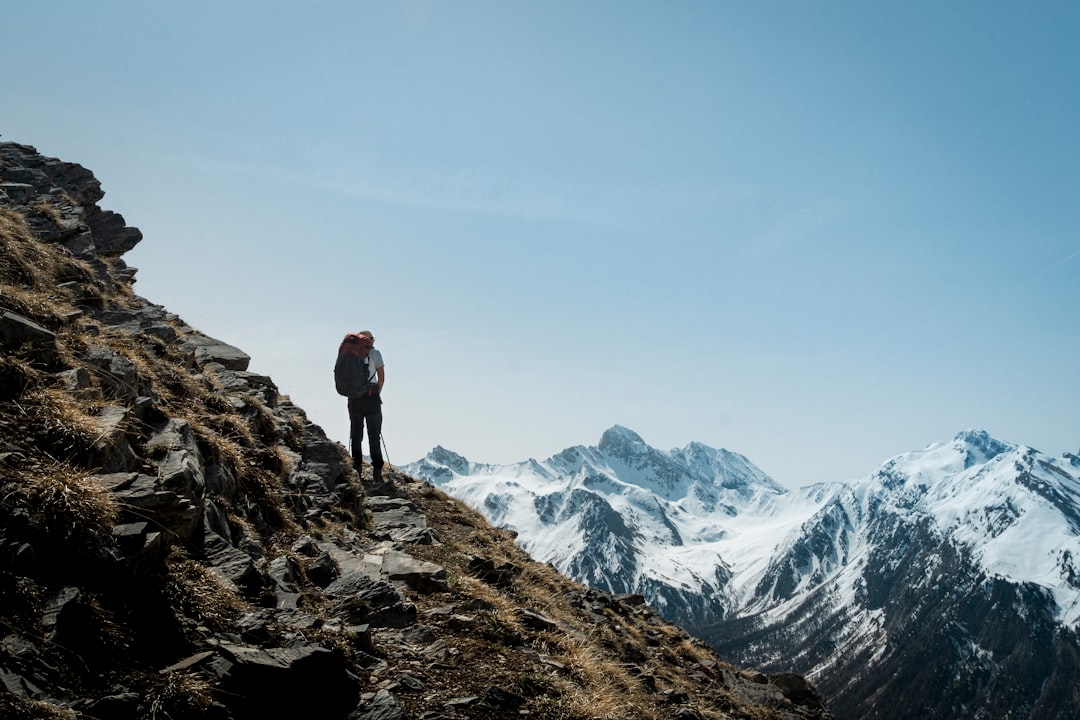
Nature immersion is equally important. The best routes are not chosen solely for athletic challenge but also for ecological and cultural richness. Treks through regions like the Patagonian Andes, the Himalayas, or the Scottish Highlands integrate:
- Ecological diversity
- Local cultural interaction
- Varied terrain for engagement
- Opportunities for quiet reflection
Advanced hiking itineraries may include guided wildlife interpretation, conversations with local guides, or conservation-focused experiences that deepen understanding of the region.
Key Considerations for Hiking Trips
For serious hikers, preparation and itinerary structure should account for:
- Gear planning: Weight management and terrain-specific equipment
- Weather contingencies: Realistic alternatives for storms
- Physical conditioning: Strength and endurance training prior to departure
- Exit points: Identified evacuation routes if necessary
When these elements are accounted for, hiking itineraries become transformative rather than merely strenuous.
Cycling Adventures: Momentum, Distance, and Terrain Strategy
Biking itineraries require a distinct form of planning. Unlike hiking, cycling allows greater daily range—but that range must be managed carefully to avoid overuse injuries, dehydration, and burnout.
The most successful cycling trips are segmented by:
- Distance tiers that increase progressively
- Terrain variation for muscular balance
- Strategic rest days every 3–4 riding days
- Support logistics such as gear transfers or mechanical backup
For example, a long-distance cycling journey across a region like Tuscany, the Pacific Coast, or the French Alps will typically open with shorter rides to adapt to local gradients and road surfaces. Climbs are scheduled mid-trip, once riders are acclimated and confident.
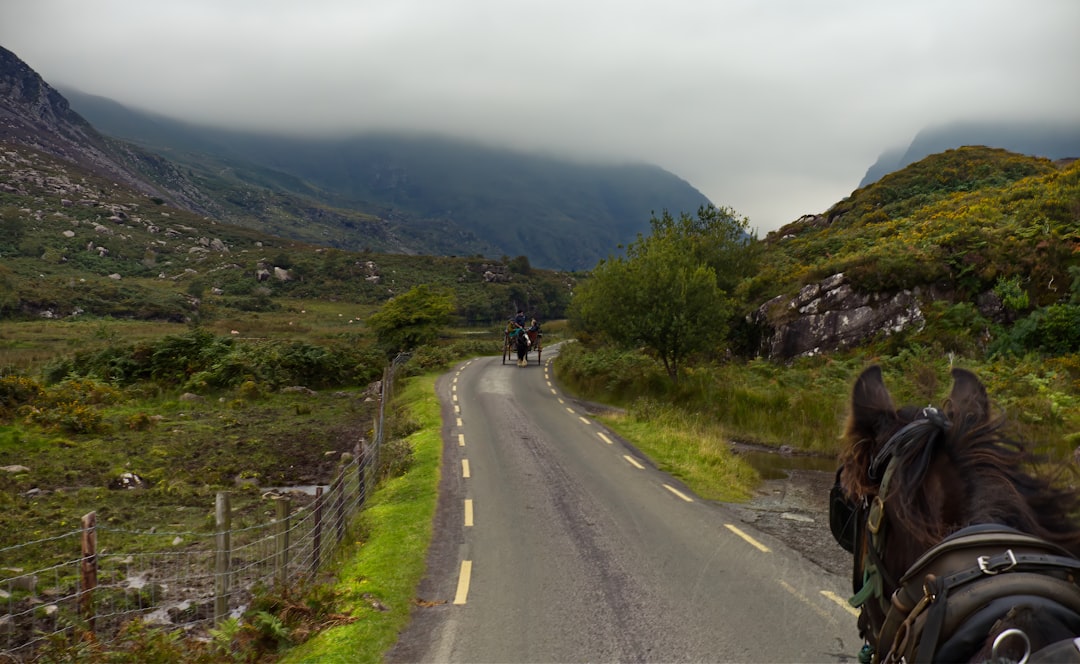
Elevation planning is particularly critical. Consecutive high-gain days can compromise rider performance and safety. Sophisticated itineraries alternate between:
- Climbing days
- Rolling terrain recovery rides
- Flat scenic stretches
In addition, cultural integration distinguishes premium cycling experiences. Stops at local farms, vineyards, or historic villages add substance beyond mileage metrics.
Road vs. Gravel vs. Mountain Biking
Each cycling discipline demands specific itinerary adjustments:
- Road cycling: Focus on paved surfaces, consistent cadence, and long-distance endurance
- Gravel biking: Mixed terrain, navigation complexity, moderate flexibility in scheduling
- Mountain biking: Technical skill development, shorter distance but higher intensity, skill-based pacing
Mountain bike itineraries, in particular, should limit cumulative technical fatigue. Technical descents and rocky climbs require mental focus that degrades more quickly than pure aerobic endurance.
Nature Immersion Trips: Depth Over Distance
Not all adventure itineraries are defined by athletic metrics. Some prioritize immersion in wild ecosystems—canoe expeditions, safari tracking journeys, or wilderness retreats designed around observation and conservation education.
Nature immersion itineraries emphasize:
- Extended stays in a single ecosystem
- Low-impact travel methods
- Wildlife education and ecological context
- Flexible daily schedules aligned with natural rhythms
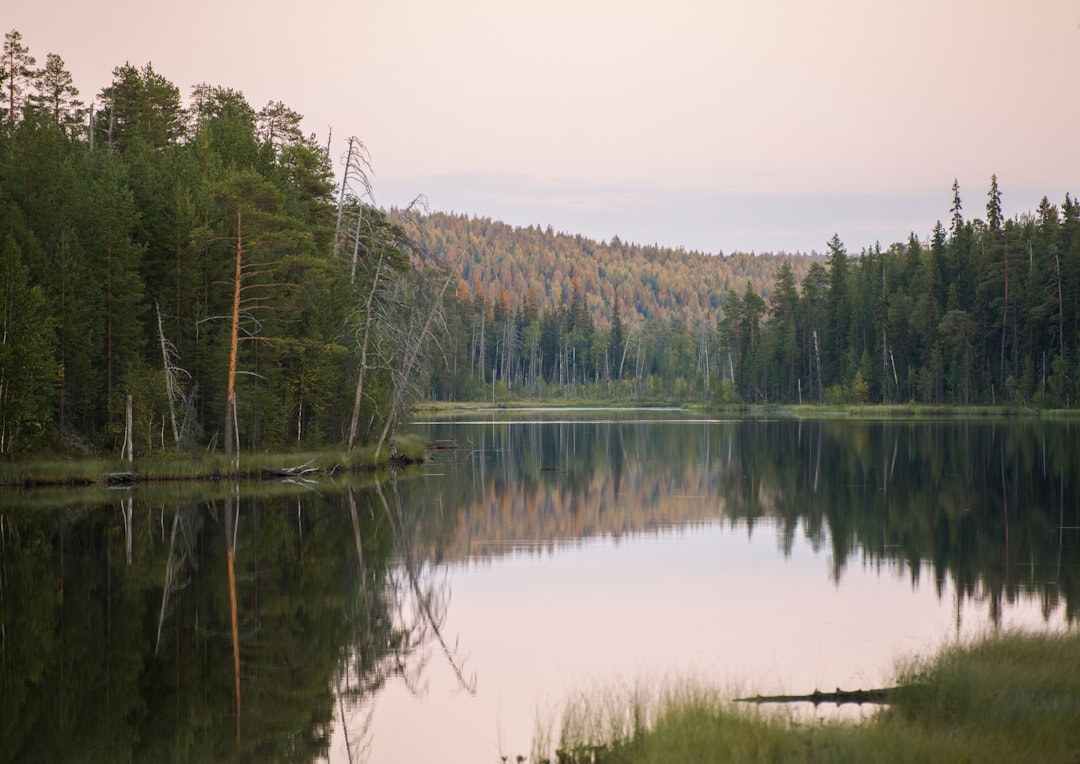
Such trips may include early-morning wildlife tracking, guided discussions with conservationists, or silent paddling sessions at dawn. The objective is not speed but presence.
Itineraries in regions like the Amazon, East African reserves, or Arctic landscapes must also incorporate strict sustainability principles. Local guide engagement, regulated group sizes, and Leave No Trace practices are essential components of responsible planning.
Balancing Comfort and Authenticity
Nature immersion does not require hardship. High-quality eco-lodges, mobile base camps, or carefully managed wilderness cabins allow travelers to experience raw landscapes while maintaining safety and recovery conditions.
Key elements include:
- Expert naturalist guides
- Ethical wildlife viewing guidelines
- Reliable communication systems
- Clear risk management protocols
Serious travelers should verify conservation commitments and local community involvement before selecting such itineraries.
Design Principles That Apply Across All Adventure Travel
Whether hiking, biking, or immersing in nature, certain principles underpin successful itineraries:
1. Intelligent Pacing
Overly ambitious daily targets undermine enjoyment and increase risk. It is better to finish a day with energy reserves than exhaustion.
2. Strategic Recovery
Recovery days should not be passive add-ons. They are integral to performance and often offer cultural exploration opportunities.
3. Professional Guidance
Certified guides and reputable operators provide logistical expertise, safety oversight, and valuable regional knowledge.
4. Safety Redundancy
Satellite communication devices, medical kits, evacuation plans, and weather monitoring systems are non-negotiable in remote areas.
5. Environmental Responsibility
Sustainable waste management, local sourcing, and respect for wildlife corridors safeguard destinations for future travelers.
Preparation: The Hidden Determinant of Success
Even the best itinerary cannot compensate for lack of preparation. Serious adventure travel requires:
- Cardiovascular conditioning matched to expected exertion
- Strength and balance training for injury prevention
- Gear testing before departure
- Nutrition planning aligned with output demands
Travelers should conduct realistic self-assessments rather than overestimating fitness or technical skill. Honest preparation ensures both safety and satisfaction.
Choosing the Right Itinerary for Your Goals
Finally, the “best” itinerary is relative to personal goals. Some travelers seek physical breakthroughs. Others pursue solitude or biodiversity exposure. Clarifying priorities helps narrow appropriate trip design.
Ask the following:
- Do I want endurance challenge or technical skill growth?
- Is cultural exposure as important as natural scenery?
- What level of comfort am I willing to compromise?
- Do I prefer structured guidance or semi-independent exploration?
Clear answers prevent mismatches between expectation and experience.
Conclusion
Adventure travel demands seriousness of intent. High-quality hiking, biking, and nature immersion itineraries reflect thoughtful design, environmental respect, and deliberate pacing. They do not prioritize spectacle at the expense of safety or depth. Instead, they align physical challenge with ecological appreciation and logistical precision.
When carefully planned, adventure itineraries become more than routes—they become structured pathways into deeper engagement with landscapes and with oneself. The destinations are remarkable, but it is the discipline of preparation and the intelligence of the journey design that ultimately define the experience.

- Best Adventure Travel Itineraries: Hiking, Biking & Nature Immersion Trips Explained - February 12, 2026
- Ultimate Guide To Authentic Cultural Travel Experiences With Local Experts - February 12, 2026
- Top 5 Languages Every Web Developer Should Know - February 12, 2026
Where Should We Send
Your WordPress Deals & Discounts?
Subscribe to Our Newsletter and Get Your First Deal Delivered Instant to Your Email Inbox.