How Commercial Solar Panels Can Cut Your Business’s Energy Bills
In today’s competitive economic climate, businesses are continually seeking ways to reduce overheads and improve their bottom line. One of the most effective yet often overlooked strategies is investing in commercial solar panels. With rising grid electricity charges, the transition to solar energy is no longer just an environmental consideration—it’s a smart financial decision.
TLDR Summary
Installing commercial solar panels provides businesses with a reliable way to significantly reduce their energy expenses. By generating electricity from the sun, companies can lower grid dependency, offset peak demand charges, and protect themselves from future utility price hikes. The long-term return on investment is bolstered by government incentives, tax breaks, and maintenance-free operation for decades. This article outlines the key benefits and financial advantages of adopting solar power for commercial properties.
Why Businesses Are Moving Toward Solar Energy
Electricity costs are often one of the largest operational expenses for businesses, especially those involved in manufacturing, warehousing, or the service sector. Solar energy provides a consistent, renewable alternative that can offset or even eliminate these costs over time. Moreover, it enhances energy independence, allowing businesses to continue operating even during power outages or energy supply fluctuations.
The push toward sustainability and greener practices also plays a significant role. Clients, partners, and consumers increasingly favor businesses that demonstrate a commitment to environmental responsibility, providing companies with a competitive edge.
Financial Benefits of Commercial Solar Panels
One of the greatest advantages of solar energy is its ability to directly reduce electricity bills. Here’s how it works:
- Energy Offset: Solar panels produce electricity that a business can use during working hours, reducing reliance on purchased grid power.
- Net Metering: In many regions, excess electricity generated can be sold back to the grid, further reducing bills or even generating income.
- Tax Incentives and Credits: Businesses can take advantage of government programs such as the Investment Tax Credit (ITC), accelerated depreciation (MACRS), and local grants to reduce upfront costs significantly.
- Return on Investment: With energy savings and incentives, many businesses see a payback period of 3–7 years and net savings extending 20–30 years thereafter.
For instance, a mid-sized manufacturing plant spending $5,000 per month on electricity could reduce that bill by 50–80% with a properly sized solar installation. That translates to tens or even hundreds of thousands of dollars in annual savings.

Protection Against Utility Rate Inflation
Utility prices continue to rise year after year. In some regions, annual increases in electricity rates have far outpaced inflation. When a business installs solar panels, they gain the ability to produce their own electricity at a fixed cost—solar energy is not subject to market price increases.
This predictability in energy spending allows for more accurate financial planning and better cash flow management, a vital advantage in volatile economic times.
Enhanced Resilience and Reliability
More businesses now recognize energy resiliency as a crucial part of their risk management. Solar panels, paired with battery storage systems, offer backup power during blackouts or periods of high demand. This is especially valuable for businesses that operate around the clock or whose operations are sensitive to power interruptions.
Examples include:
- Data centers requiring uninterrupted power
- Cold storage facilities preserving temperature-sensitive goods
- Retail stores and restaurants needing consistent lighting and refrigeration
Environmental Stewardship and Brand Value
Today’s consumers increasingly seek out eco-friendly products and companies. Installing solar panels signals a company’s commitment to sustainability, reducing the organization’s carbon footprint and promoting corporate social responsibility.
This can translate into measurable brand value, reinforcing customer loyalty and attracting new business. Moreover, as governments impose stricter emissions regulations and carbon taxes, transitioning to solar helps future-proof business operations.
Scalability and Design Flexibility
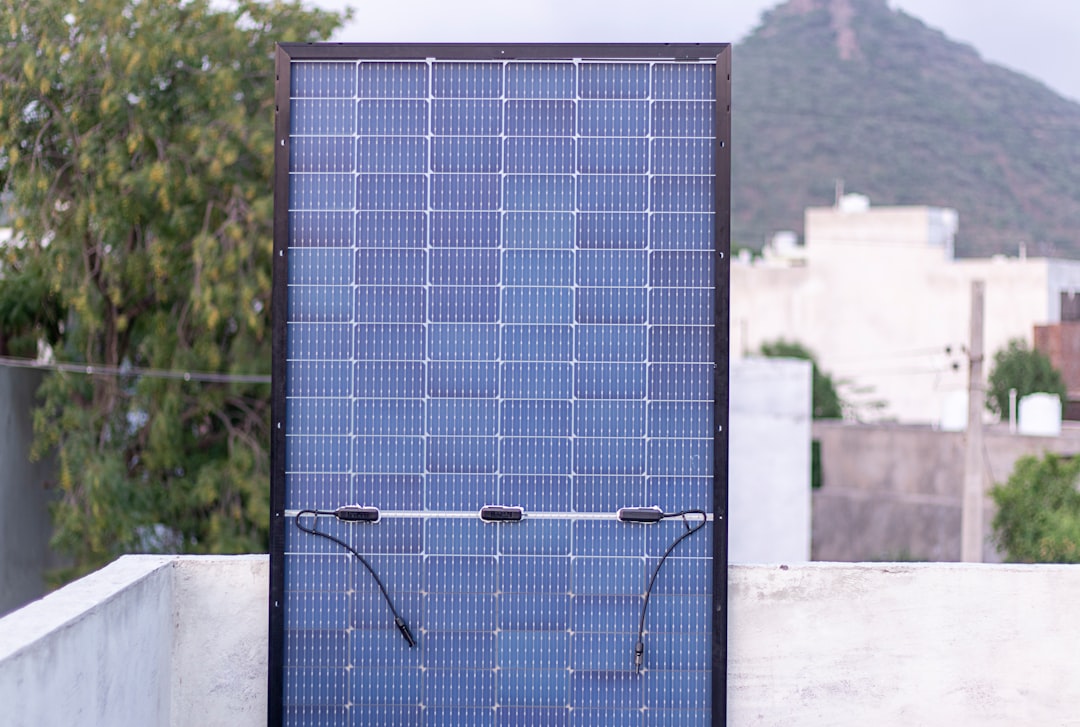
Commercial solar systems can be tailored to meet the specific needs of a business. Systems can be roof-mounted, ground-mounted, or integrated with parking structures. The modular nature of solar panels means that companies can start small and expand their systems as their energy demands grow.
Even businesses with limited roof space can install high-efficiency panels or opt for solar carports and adjacent land setups to maximize their production capacity.
The Process of Installing Commercial Solar
If you’re considering the switch, here’s a brief overview of how the process unfolds:
- Energy Audit: A thorough audit is performed to understand current energy consumption.
- System Design & Engineering: Customized solar designs are created to suit the facility’s layout and power needs.
- Permits & Financing: Appropriate permits are obtained, and financing or leasing options are explored.
- Installation & Connection: Panels are installed, connected to the grid, and activated for use.
- Maintenance & Monitoring: Although solar panels are low maintenance, system monitoring helps ensure optimal performance.
Most of this process is handled by a trusted solar provider, ensuring minimal disruption to your daily operations.
Financing Options for Businesses
While the upfront cost of solar can be substantial, several flexible financing solutions make the investment accessible for businesses of all sizes:
- Solar Leases: Pay a fixed monthly rate to use solar energy without owning the system.
- Power Purchase Agreements (PPAs): Pay only for the electricity produced, usually at a lower rate than your local utility.
- Loans: Take advantage of low-interest business loans, where the monthly savings can often cover the financing payments.
- Cash Purchase: Maximize long-term ROI by purchasing the system outright and receiving full tax benefits.
Choosing the right financial structure depends on cash flow, long-term goals, and tax strategy. Solar consultants can help determine the most advantageous path.
Real-Life Case Study: A Manufacturing Facility’s Success
Consider this real-world example: A 50,000 square-foot manufacturing facility in Texas installed a 350 kW solar energy system. Prior to installation, their average monthly electricity bill was approximately $12,000. After switching to solar, they saw a 70% reduction in energy costs, saving over $100,000 in the first year alone.
The project paid for itself in just under five years, and with solar panels expected to operate efficiently for 25–30 years, the company stands to save over $2 million during the life of the system. Furthermore, they enhanced their reputation by becoming one of the few green-certified manufacturing facilities in the state.
Conclusion: A Smarter, Greener Way to Power Your Business
Commercial solar panels represent a forward-thinking strategy for businesses aiming to reduce costs, improve energy security, and enhance their reputation. The overlapping benefits of long-term savings, environmental responsibility, and energy reliability make solar power a sound investment.
As electricity costs continue to rise and sustainability becomes a cornerstone of modern business strategy, now is the ideal time to consider solar energy for your commercial enterprise. Start with a free energy assessment and discover just how much your business can save—and gain—by making the switch to solar.

- Laaster vs Traditional Cloud Solutions: Why Real‑Time Architecture Wins In 2026 - February 11, 2026
- Exclusive Quintessential England Travel Planner: London, Cotswolds & Hidden Gems - February 11, 2026
- Malware vs. Virus Explained For Everyday Users: Key Differences, Detection & Protection Tips - February 11, 2026
Where Should We Send
Your WordPress Deals & Discounts?
Subscribe to Our Newsletter and Get Your First Deal Delivered Instant to Your Email Inbox.