Irish Whiskey Industry Tariffs: Challenges, Opportunities, and the Global Trade Impact
Irish whiskey is back in the spotlight! With its rich history and smooth taste, whiskey from the Emerald Isle is making waves all over the world. But just like any global product, it faces challenges — and the biggest one right now is tariffs.
TLDR: Irish whiskey is booming worldwide, but tariffs are posing real problems. They increase costs, slow down trade, and confuse the market. Despite that, new deals and creative strategies offer hope. The future’s still bright — just a little complicated!
What Are Tariffs, Anyway?
Let’s start simple. A tariff is a tax placed on imported goods. So when Irish whiskey is sold in the U.S., for example, a tariff might add an extra charge just to bring it in.
These taxes vary by country. Some are high. Some are low. Sometimes they even vanish thanks to trade deals between nations.
The problem is, they can change fast — and this throws the whiskey world into chaos.
Why Tariffs Matter to Irish Whiskey
Irish whiskey is one of the fastest-growing spirit categories in the world. It’s exported to over 140 countries. In 2023 alone, over 14 million cases were shipped abroad!
But tariffs can hurt this growth. Here’s why they’re a big deal:
- Higher prices: Tariffs make bottles more expensive for consumers.
- Uncertain planning: Producers don’t know what rules they’ll face tomorrow.
- Lost markets: If it’s too costly, whiskey gets pulled from shelves overseas.
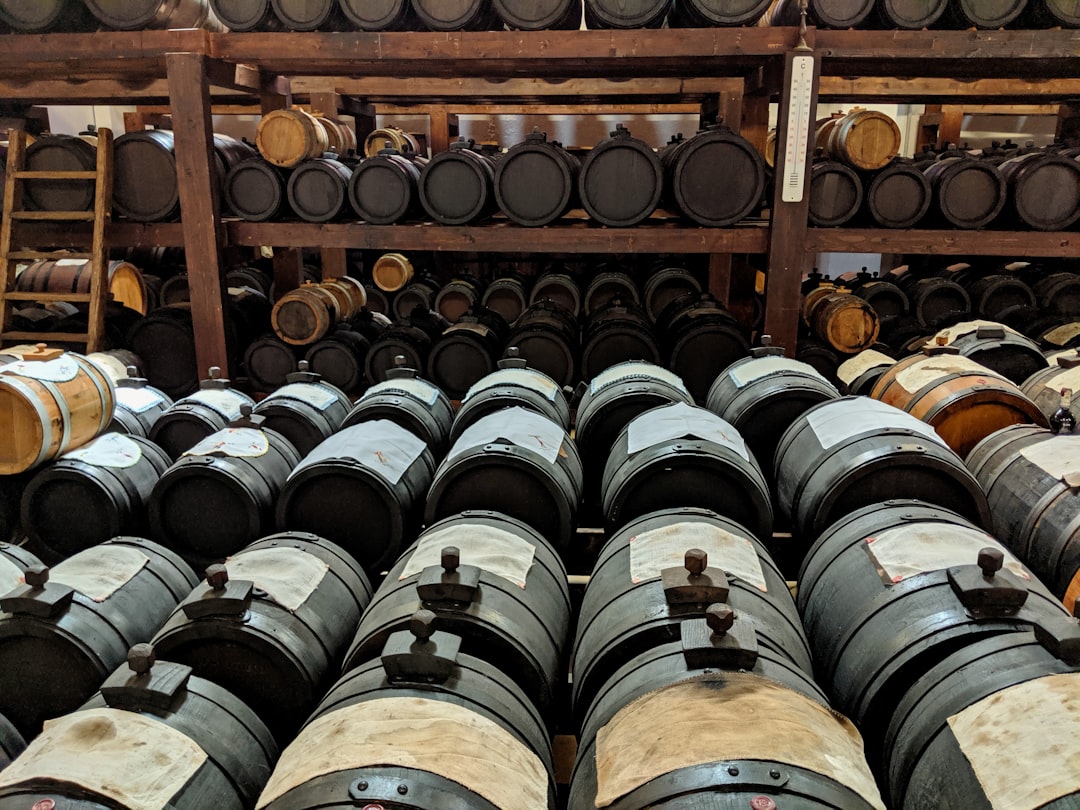
That’s frustrating for producers, especially small ones. Big companies can absorb costs. Smaller distilleries? Not so much.
Recent Tariff Battles
Let’s look at a few recent examples that shook the whiskey world:
1. U.S.-EU Trade Spat
In 2018, a trade war broke out between the U.S. and the European Union. As a result, the U.S. slapped tariffs on steel and aluminum. The EU hit back — and Irish whiskey was caught in the crossfire.
Suddenly, some Irish whiskey brands going to the U.S. got hit with extra taxes. This wasn’t great for business.
2. Brexit Complications
When the UK left the EU, it changed the rules for how goods move between Ireland, Northern Ireland, and Great Britain. Some distilleries that used to operate freely across borders suddenly needed new paperwork. And sometimes, new tariffs.
Even a smooth glass of whiskey can’t fix political headaches!
Challenges for Irish Distilleries
Beyond the big trade wars, Irish distilleries face daily struggles:
- Unpredictable regulation: Trade policies change with each new election or political shift.
- Extra costs: Customs fees, paperwork, and delays all hurt profits.
- Brand confusion: Sometimes tariffs apply only to blends or single malts. Consumers don’t always understand.
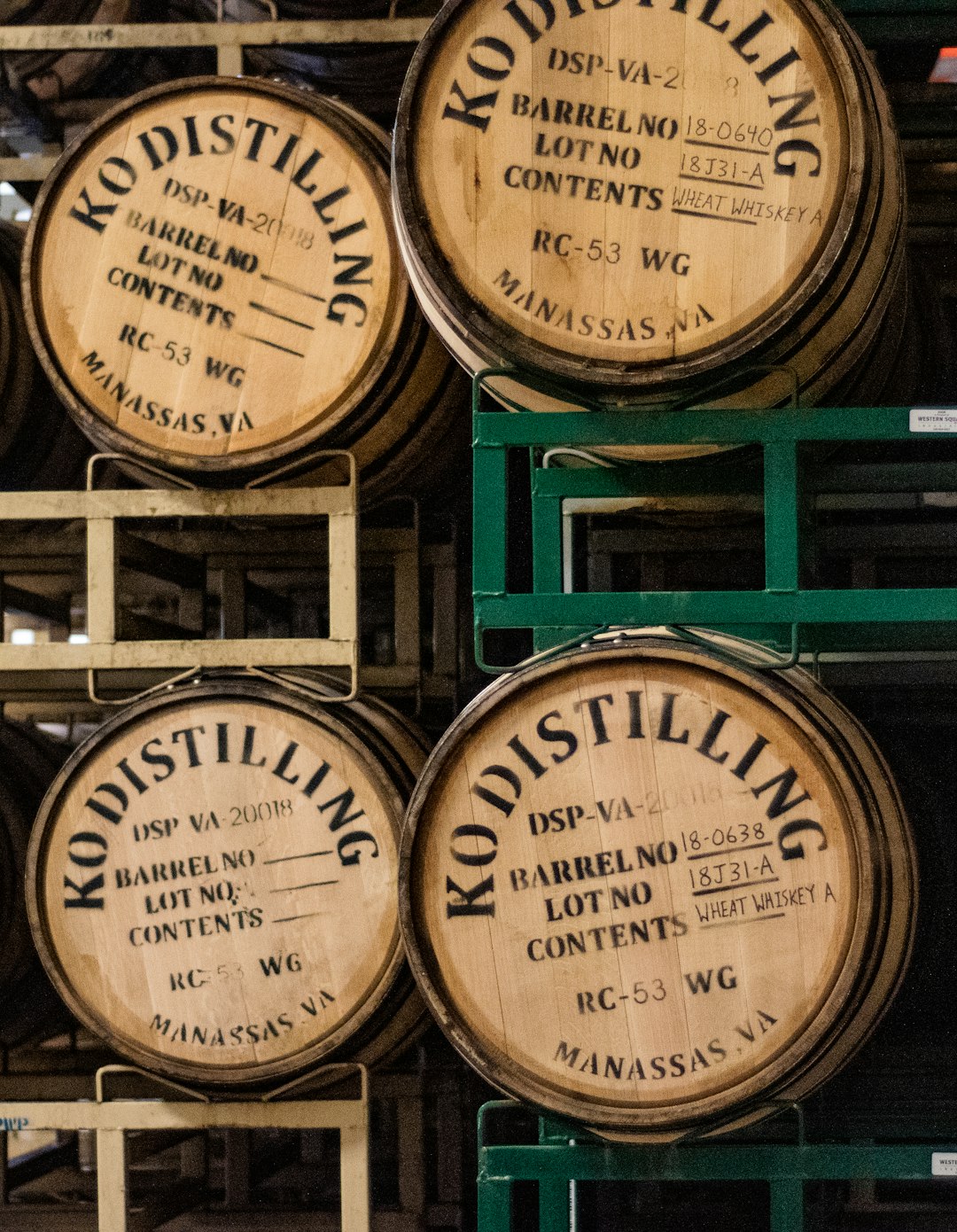
Some distilleries prepared by setting up warehouses in other countries. Others built bottling plants overseas. These moves help dodge tariffs but cost a lot to set up.
Finding New Paths: Opportunities Emerging
It’s not all bad news. Tariffs have pushed the Irish whiskey industry to innovate. Here are a few silver linings:
1. Growing Non-Tariff Markets
As some countries get tougher on imports, others are opening up. Irish whiskey is seeing success in:
- India: A rapidly growing middle class eager for premium spirits.
- Mexico and Chile: Trade deals signed in recent years lowered tariffs significantly.
- South Korea and Japan: High demand for craft and premium whiskey.
This diversification makes the whiskey trade more stable overall.
2. World Trade Agreements
Ireland is part of the EU — and the EU loves making trade deals. Thanks to new agreements, Irish whiskey now faces fewer tariffs in important markets like Canada, Vietnam, and Singapore.
One shining example? The EU-Japan Economic Partnership Agreement. This deal eliminated many alcohol-related tariffs, benefiting exports straight away.
3. Tourism and Direct Sales
As distilleries get smarter about tariffs, many now focus on tourism. A growing number now sell directly to visitors or online. This skips middlemen — and, in many cases, avoids tariffs completely.
Whiskey tourism is booming. In 2023, over 1.2 million people visited Irish distilleries. That’s a lot of tasting — and buying!
What’s Next for Irish Whiskey and Tariffs?
Experts believe we’ll continue to see ups and downs. Tariffs won’t disappear, but the market is smart. Here’s what the future may bring:
- New free trade agreements (FTAs): The EU is currently negotiating with Mercosur (Latin America), Australia, and others.
- Better coordination: Irish distilleries and the Irish Whiskey Association are working closely with government to prepare for changes.
- Tech to simplify trade: AI and blockchain are being explored to reduce border delays and improve tracking.
How Can Consumers Help?
Don’t underestimate your power! When you choose Irish whiskey, you support the entire chain — from farmers to distillers to exporters. You also send a message that quality matters more than politics.
Look for bottles that say “Product of Ireland” and learn about the distillery’s history. You may pay a little more because of tariffs, but that money supports local jobs and a centuries-old tradition.
In Summary
Here’s what we’ve learned:
- Tariffs are taxes on imported products, and they’re currently a thorn in Irish whiskey’s side.
- They raise prices and complicate global trade relationships.
- But they’ve also encouraged adaptation: new deals, bigger markets, and more direct selling opportunities.
Irish whiskey isn’t going anywhere — but it’s going places!
Next time you sip a dram, give a little toast to the folks keeping these golden drops moving across borders, one bottle at a time.

- PFP Meaning on Social Media Explained - February 23, 2026
- What Is the World Record for Block Blast? - February 23, 2026
- How to Fix Error 1005 Access Denied (Cloudflare Fix Guide) - February 22, 2026
Where Should We Send
Your WordPress Deals & Discounts?
Subscribe to Our Newsletter and Get Your First Deal Delivered Instant to Your Email Inbox.