Ultimate Guide To Authentic Cultural Travel Experiences With Local Experts
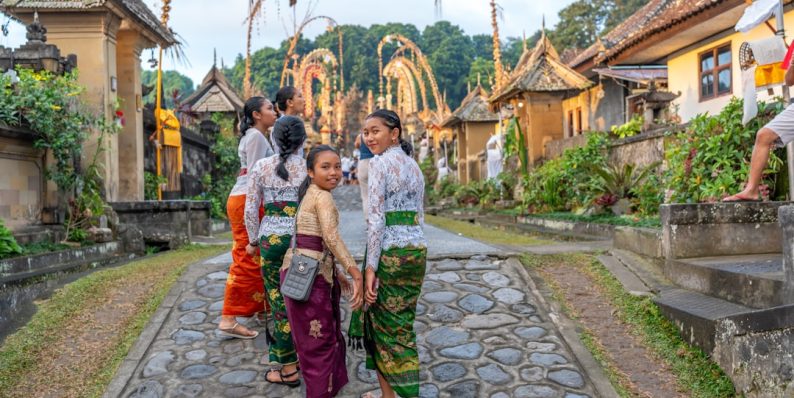
Travel today is no longer just about ticking landmarks off a checklist. More than ever, travelers are seeking authentic cultural experiences that go beyond guidebooks and staged performances. They want meaningful conversations, shared meals, untold stories, and genuine human connection. This is where local experts—guides, artisans, historians, chefs, and community leaders—become the bridge between visitors and the heart of a destination.
TLDR: Authentic cultural travel is about meaningful, respectful engagement with local communities rather than surface-level sightseeing. Working with local experts unlocks insider knowledge, deeper understanding, and unforgettable experiences. To do it right, travelers should research carefully, prioritize ethical choices, stay open-minded, and actively participate. When done responsibly, cultural travel benefits both visitors and the communities that welcome them.
What Is Authentic Cultural Travel?
Authentic cultural travel focuses on experiencing daily life, traditions, history, and values directly from the people who live them. Instead of observing from a distance, you become a participant—learning traditional cooking techniques, understanding regional folklore, joining local festivals, or exploring neighborhoods with someone who grew up there.
Unlike mass tourism, which often showcases curated highlights, cultural travel emphasizes:
- Real stories over rehearsed scripts
- Connection over convenience
- Understanding over entertainment
- Respectful exchange over quick consumption
The key ingredient that transforms a typical trip into an immersive journey? Local experts.
Why Local Experts Make All the Difference
Local experts offer context that no brochure ever could. They explain why a dish matters to a community, how a historical event shaped modern traditions, or what unspoken customs visitors should be aware of.
Here’s how they elevate your experience:
1. Insider Knowledge
Local guides often take you to places tourists rarely find—family-run workshops, neighborhood eateries, or sacred natural spaces off the beaten path.
2. Cultural Interpretation
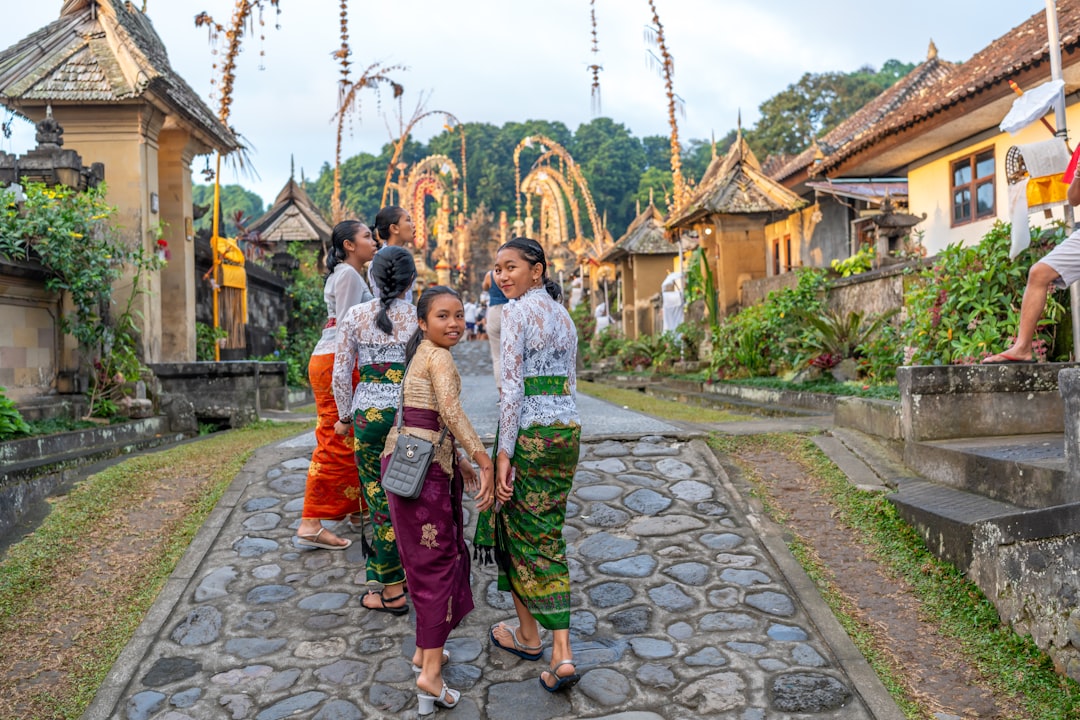
Seeing a temple is one thing. Understanding the symbolism behind its architecture is another. Local historians and cultural ambassadors connect visible sights with invisible meaning.
3. Authentic Access
Whether it’s a home-cooked meal, artisan demonstration, or storytelling evening, locals can open doors that remain closed to general tourism.
4. Responsible Travel Guidance
They help visitors navigate social norms respectfully—knowing what to wear, how to greet elders, and what customs to follow.
How to Find Trustworthy Local Experts
Not every tour labeled “authentic” truly is. To ensure meaningful and ethical experiences, consider the following steps:
Research Carefully
- Read detailed reviews across multiple platforms.
- Look for guides with strong community ties.
- Check if they collaborate with local businesses.
Prioritize Community-Based Tourism
Community-based tourism initiatives are often run by cooperatives or local families. These programs ensure that tourism revenue stays within the community rather than going to large external corporations.
Ask Questions Before Booking
- Who benefits financially from this experience?
- Is visitor behavior explained beforehand?
- Is the activity respectful of local traditions?
The more transparent the experience provider, the more likely you’re choosing responsibly.
Types of Authentic Cultural Experiences
Cultural travel comes in many forms. Here are some of the most enriching options:
1. Culinary Immersion
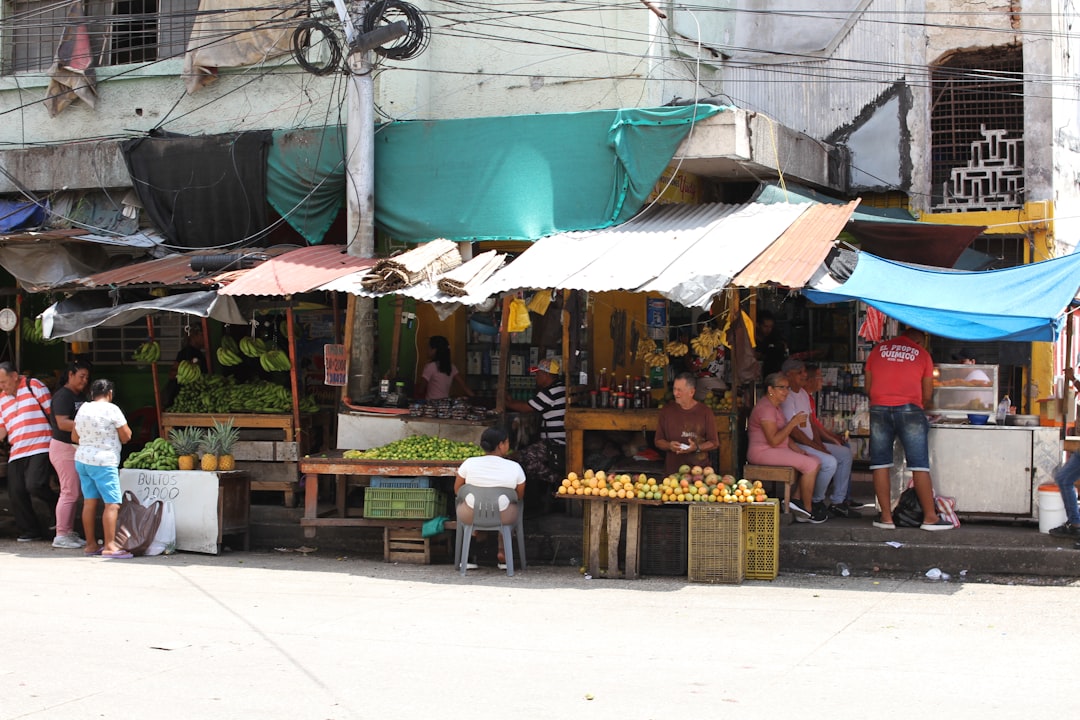
Food reflects geography, history, and identity. Joining a local chef or home cook allows you to explore culture through taste.
- Market visits with ingredient explanations
- Hands-on cooking classes
- Shared meals in family homes
2. Artisan Workshops
From weaving and pottery to calligraphy and mask-making, artisan traditions preserve centuries-old skills. Learning directly from craftspeople not only builds appreciation but helps sustain their livelihoods.
3. Historical and Storytelling Tours
History comes alive when told by someone whose grandparents lived it. Local storytellers provide layered narratives that textbooks often simplify.
4. Festivals and Ritual Participation
Attending festivals with a knowledgeable guide ensures you understand:
- The cultural meaning behind ceremonies
- Appropriate behavior during rituals
- The historical evolution of the event
5. Nature and Indigenous Knowledge Walks
In many regions, indigenous guides share ecological wisdom passed down through generations. These experiences highlight a deep interconnection between land and identity.
Preparing for Meaningful Cultural Exchange
Authentic travel is a two-way exchange. The experience becomes richer when visitors come prepared and open-minded.
Learn Basic Phrases
Even a simple greeting in the local language demonstrates respect and effort.
Understand Cultural Norms
- Dress codes for religious sites
- Photography etiquette
- Tipping expectations
- Dining manners
Adopt the Right Mindset
Be curious rather than judgmental. Travel challenges assumptions. Embrace differences as learning opportunities rather than inconveniences.
The Ethics of Cultural Travel
Authentic does not automatically mean ethical. Responsible travelers must ensure their experiences do not exploit communities or commodify sacred traditions.
Respect Boundaries
Some rituals or spaces may not be appropriate for outsiders. A responsible local expert will explain these limits clearly.
Avoid Extractive Tourism
If an experience feels staged purely for spectacle or profits outsiders more than locals, reconsider participating.
Contribute Positively
Support locally owned accommodations, purchase crafts directly from artisans, and recommend ethical providers to future travelers.

Benefits for Local Communities
When organized responsibly, cultural tourism empowers communities.
- Economic Growth: Direct income for families and small businesses.
- Cultural Preservation: Traditions remain alive through active practice.
- Youth Engagement: Younger generations see value in maintaining heritage skills.
- Cross-Cultural Understanding: Visitors and hosts gain mutual respect.
Authentic travel becomes a partnership rather than a transaction.
Common Mistakes to Avoid
Even well-intentioned travelers can unintentionally dilute their cultural experiences. Watch out for these pitfalls:
- Overloading Your Itinerary: Depth requires time. Slow down.
- Relying Solely on Social Media Trends: Popular does not equal authentic.
- Treating Experiences as Performances: Remember these are real lives, not staged attractions.
- Ignoring Context: Always ask about history and meaning.
Creating Lasting Impact After You Return Home
The journey doesn’t end when you board your flight home. Extend the value of your experience by:
- Sharing respectful stories that highlight local voices.
- Supporting organizations you discovered during travel.
- Continuing to learn about the region’s culture and history.
- Recommending ethical local experts to friends and family.
Authentic cultural travel often transforms perspectives. It reshapes how we understand community, tradition, and even our own daily lives.
Final Thoughts
The ultimate guide to authentic cultural travel begins with intention. Meaningful experiences are not accidental—they are built on research, humility, curiosity, and collaboration with knowledgeable local experts. When you choose to travel this way, monuments become more than photo backdrops, markets become classrooms, and conversations become unforgettable memories.
In a world increasingly connected yet culturally diverse, traveling authentically offers something rare: the chance to truly see and be seen. With the guidance of local experts and a commitment to respect, your journeys can evolve from simple vacations into transformative cultural exchanges that leave lasting impressions on both you and the communities you visit.

- Ultimate Guide To Authentic Cultural Travel Experiences With Local Experts - February 12, 2026
- Top 5 Languages Every Web Developer Should Know - February 12, 2026
- Antarvacna: A Journey Through Its Historical and Cultural Roots - February 12, 2026
Where Should We Send
Your WordPress Deals & Discounts?
Subscribe to Our Newsletter and Get Your First Deal Delivered Instant to Your Email Inbox.