ShotSpotter Locations: Surveillance Technology
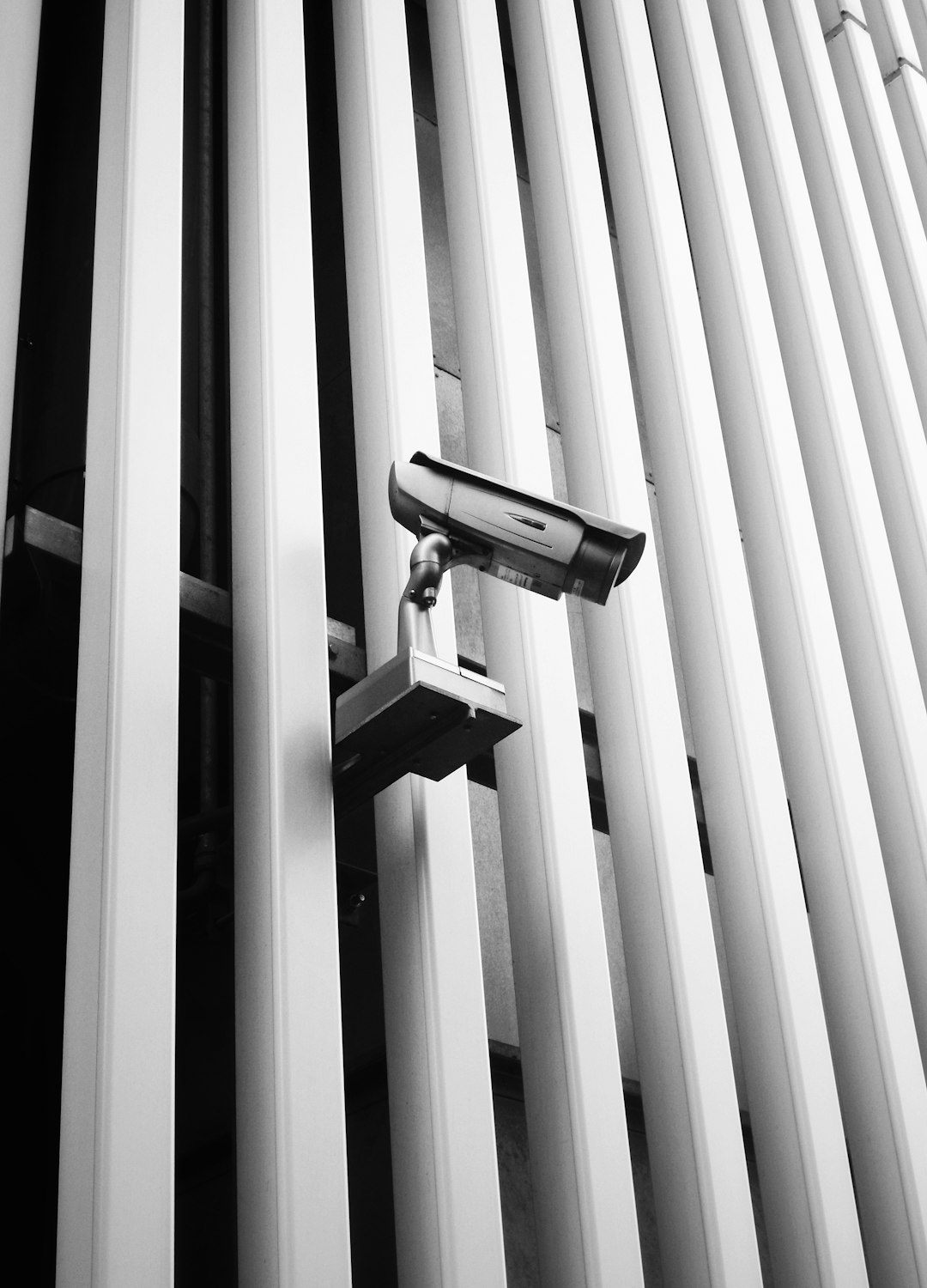
In many American cities where gun violence persists, law enforcement agencies have increasingly turned to a modern surveillance tool: ShotSpotter. This acoustic gunshot detection technology is designed to identify, locate, and alert police to gunfire in real-time, often within seconds of a trigger being pulled. Meant to bolster public safety, especially in high-crime urban areas, ShotSpotter has simultaneously raised questions about privacy, efficacy, and the disproportionate targeting of certain neighborhoods.
TLDR: ShotSpotter is an acoustic surveillance technology that detects gunshots and alerts police within seconds. It is deployed in many U.S. cities, primarily in neighborhoods with high rates of gun violence. While supporters argue it improves emergency response and saves lives, critics cite concerns about privacy, accuracy, and potential over-policing in marginalized communities. The debate continues as more cities invest in—or reconsider—the use of this controversial technology.
What Is ShotSpotter and How Does It Work?
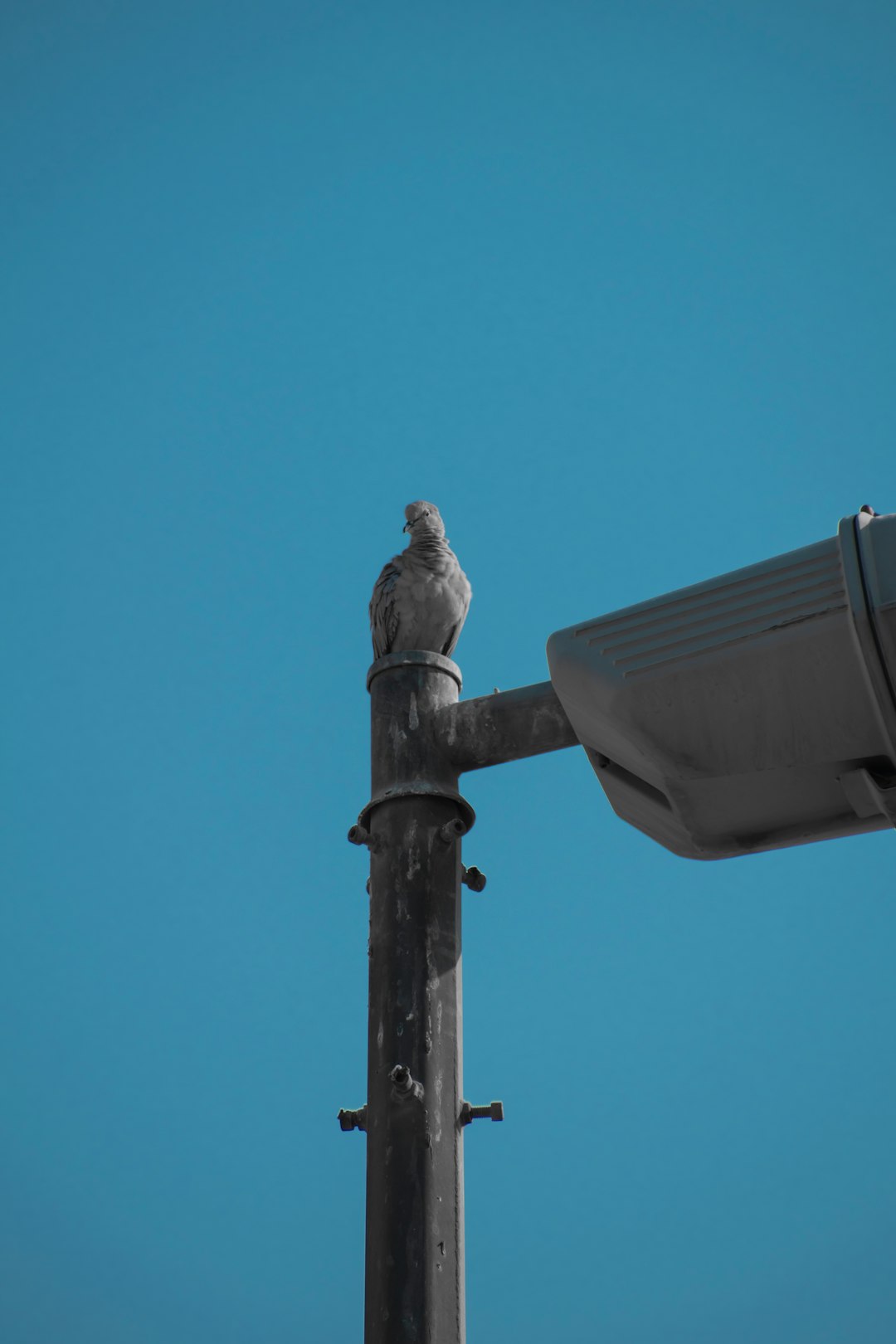
ShotSpotter is a proprietary system developed by SoundThinking (formerly ShotSpotter, Inc.) that uses a network of acoustic sensors placed across a geographic area. These sensors are mounted on rooftops, utility poles, and other elevated stations to capture the sound of gunshots when they occur.
Here’s how the process typically works:
- When a loud noise resembling a gunshot is detected, the system records it and sends the audio clip to ShotSpotter’s centralized review center.
- Human analysts review the alert within 30 to 60 seconds to determine if the sound is actually a gunshot.
- If confirmed, alerts are forwarded to local law enforcement, complete with a map showing the approximate location and number of rounds fired.
ShotSpotter claims a detection accuracy of over 90%, although independent reviews have provided mixed results. The system is calibrated to ignore common city noise like fireworks or car backfires, but discrepancies have been noted in real-world deployments.
Where Is ShotSpotter Deployed?
ShotSpotter has been implemented in over 120 cities across the United States. It is more prevalent in high-density urban neighborhoods grappling with persistent gun violence. Some of the cities using ShotSpotter include:
- Chicago, IL
- New York City, NY
- Baltimore, MD
- Oakland, CA
- St. Louis, MO
- Detroit, MI
In many instances, ShotSpotter technology is deployed in specific zones rather than citywide—frequently in areas with a high concentration of crime-related incidents. This targeted implementation has sparked both recognition for addressing violence and criticism over potential over-policing in predominantly Black and Latino neighborhoods.
The Pros: Speed, Accuracy, and Lives Saved
Supporters of ShotSpotter argue that the system offers an essential advantage: it significantly reduces the lag time between a gunshot taking place and a police response. In communities where residents may hesitate to call 911 due to fear of retaliation or skepticism of law enforcement, this automatic detection system ensures that incidents aren’t ignored.
Some of the key advantages include:
- Faster Emergency Response: Officers receive alerts within a minute, potentially allowing for faster medical intervention for shooting victims.
- Increased Situational Awareness: Real-time data allows law enforcement to prepare adequately when responding to potentially dangerous scenes.
- Gun Crime Data Collection: ShotSpotter generates valuable information on where and how often gunfire occurs, even when no one reports it.
Law enforcement agencies claim that ShotSpotter can deter gunfire by increasing the perceived risk of getting caught. In addition, the system might be a useful tool in broader strategies to reduce illegal firearm use.
The Cons: Accuracy Concerns and Civil Rights
Despite its promises, ShotSpotter is not without criticism. Major concerns have been raised about data integrity, bias in deployment, and the system’s overall impact on public trust and civil liberties.
Some of the most cited criticisms include:
- False Positives: Independent audits and court cases have revealed instances where ShotSpotter misidentified noises, leading to unnecessary police deployments and, in some cases, fatal encounters.
- Concentration in Marginalized Communities: The technology is disproportionately deployed in poor, Black, and Latino neighborhoods, raising concerns about surveillance overreach and racial profiling.
- Lack of Transparency: Since ShotSpotter is a private company, many of its data processing methods remain undisclosed, making public accountability challenging.
- Questionable Legal Value: Prosecutors have used ShotSpotter reports as evidence in criminal trials, but defense attorneys argue that the software’s proprietary nature and debated accuracy undermine its credibility in court.
In one particularly controversial case in Chicago, a ShotSpotter alert was used as the basis for a police stop that ended in a fatal officer-involved shooting. When independent investigators later found that the sound might not have been a gunshot, questions arose about the reliability of the entire system.
Public Response and Oversight
Cities using the technology have faced increasing public scrutiny. Community advocacy groups and civil rights organizations, including the ACLU, have called for greater transparency and regulation. In some cities, public hearings have been held to evaluate the system’s effectiveness and determine whether the costs—often running into millions of taxpayer dollars annually—justify the benefits.
In fact, some municipalities have chosen to terminate their contracts with ShotSpotter following internal reviews. In 2023, the city of Durham, North Carolina, declined to renew its pilot program, citing concerns over cost, accuracy, and community pushback.
Several key arguments made by the public include:
- The money spent on ShotSpotter could be reallocated to social programs, such as youth employment or mental health services, which address root causes of gun violence.
- Deploying high-tech surveillance in marginalized areas without community consent undermines public trust.
- Lack of third-party validation makes it hard to gauge whether ShotSpotter reduces crime or merely shifts it geographically.
The Future of Gunshot Detection Technology
As cities grapple with balancing public safety, civil liberties, and limited budgets, the debate over ShotSpotter’s role in modern policing continues.
Some experts suggest that if properly regulated and transparently reported, ShotSpotter could form part of a layered approach to public safety—supplementing traditional policing with community-led initiatives and data-driven crime prevention.
Advancements in audio recognition, artificial intelligence, and data analytics may one day offer more accurate and less invasive systems. However, until more rigorous research and policy oversight emerge, ShotSpotter remains a polarizing fixture in the national conversation around surveillance and public safety.
Conclusion
ShotSpotter represents an intersection of technology and public safety with both promise and pitfalls. It has proven useful in detecting gunfire and improving emergency responsiveness in areas plagued by violence. Yet, its reliance on opaque processes and frequent placement in overpoliced communities has made it a subject of intense debate.
As cities reevaluate their policing strategies in a post-pandemic landscape, the conversation around ShotSpotter will likely evolve. Greater transparency, improved accuracy, fair deployment, and public involvement will be critical if this tool is to earn long-term trust and legitimacy.

- ShotSpotter Locations: Surveillance Technology - December 30, 2025
- Pokémon UNITE Error Code 2102 Explained & Fixed - December 28, 2025
- Why Microsoft Error Code 3399745538 Occurs and How to Fix It - December 26, 2025
Where Should We Send
Your WordPress Deals & Discounts?
Subscribe to Our Newsletter and Get Your First Deal Delivered Instant to Your Email Inbox.